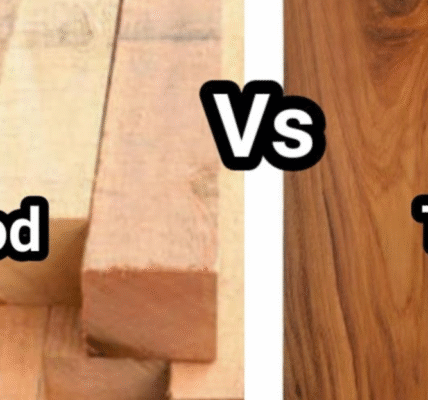
DIY projects allow you to design and construct exactly what you require However, the material you select can make all the difference. Wood and plastic panels can be two well-known alternatives, each with their own advantages and disadvantages. If you’re unsure which is the best option for your project continue reading to see a clear side-by-side comparisons to help you make a decision with certainty.
Durability And Strength
In terms of the durability the plastic panels stand out in preventing rot, water and insects. They’re lightweight, yet durable enough to withstand regular usage in the workshop and at home. So, you don’t need to worry about swell or warping when exposed to humidity.
Wood is, however is a natural strong material and is capable of enduring massive loads. It’s an ideal option for projects in which structural strength is the main goal. However, it’s susceptible to rotting or warping in the event that it’s not properly treated. Regular painting or sealing becomes vital to ensure its durability in the long run.
Maintenance And Longevity
Plastic panels are more easy to keep. A simple clean-up usually will restore their appearance, and they don’t require regular treatment. For many DIYers the low maintenance quality is an advantage for projects such as wall and shelving. Simply Plastics supplies a range of recyclable products that don’t just last but offer eco-friendly alternatives.
Wood requires more care. It depends on the type of wood it is, you might need to stain, sand, or varnish it on a regular basis. Although well-maintained timber can last for many years however the expense and time of maintaining it shouldn’t be ignored.
Flexibility In Design
Plastic panels offer a lot of range of flexibility. They are available in a variety of shades, thicknesses, as well as styles, which means you can blend them with traditional or contemporary styles. They are also simple to cut into sizes, drill or cut with standard tools, making them perfect for everything from crafts to large renovations of rooms.
Wood is also a versatile material however in a different manner. It can be cut or joined to make unique designs. The warm and organic appearance give it a the character that many homeowners like. However, bending wood usually requires more sophisticated tools and techniques that may not be suitable for all DIY enthusiasts.
Cost Considerations
Budget is a key element in the majority of DIY projects. Plastic panels generally will cost you less in the beginning, particularly when you take into account lower costs for maintenance. They are also available in a cut-to-size, which means you only buy the amount you require, thus reducing the amount of waste.
Prices for wood vary greatly based on the type and the grade. Pine and softwoods are inexpensive but hardwoods such as walnut or oak could be pricey. It is also important to consider protective coatings and possible replacements in the event of damage.
Environmental Impact
Sustainable development is influencing the choices of DIY. Plastic panels are often criticized as being made of synthetic materials, however they are often recyclable and produced using eco-friendly methods. Companies that prioritize recycled plastics reduce the overall environmental footprint.
Wood is renewable when you source it responsibly. Certified timber guarantees that trees are planted to ensure a balance in consumption. However, bad methods of forestry can cause concerns and a check for certification is essential if you want your venture to be sustainable for the environment.
Making The Right Choice For Your Project
The decision to choose between wood and plastic panels depends on the project’s goal. If your project must be resistant to water or needs minimal maintenance the plastic panels might be more suitable. If you’re building projects where aesthetics, heritage and heavy load-bearing capacity matter plus, the wood option is tough to beat.
Both materials have their own place. If you consider the advantages and disadvantages of both, it’s possible to be able to choose the one that best suits your needs for DIY, budget and design. Whatever you choose, the proper preparation and maintenance will ensure that your project will last and looks great.