
Open-plan homes have become a defining feature of modern living. By removing unnecessary walls and combining kitchen, dining, and living areas into one expansive space, these layouts create a sense of openness, flexibility, and connection. However, furnishing an open-plan home requires careful planning. Without thoughtful furniture selection and placement, the space can feel cluttered, disconnected, or lacking purpose
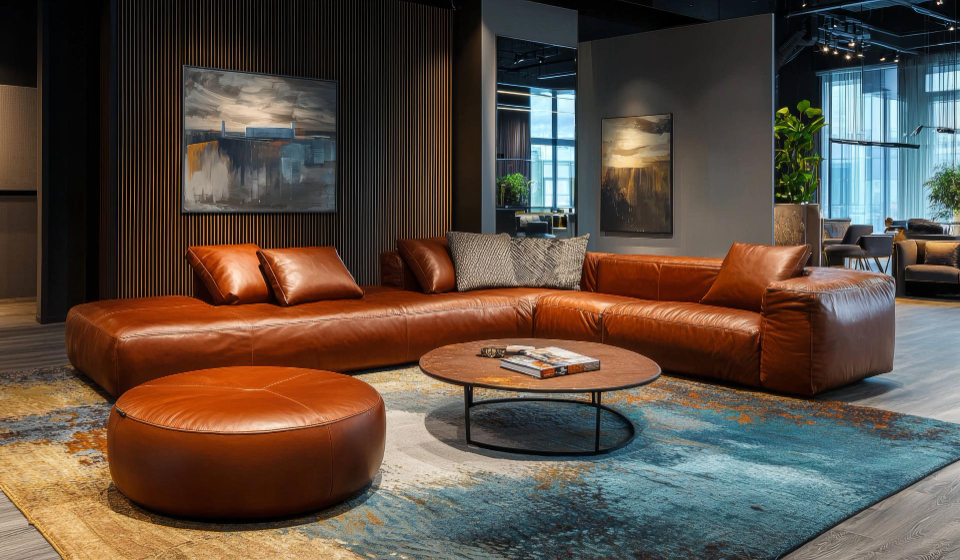
Choosing the right furniture for open-plan homes is about balancing comfort, functionality, and visual flow. Every piece must work individually while also contributing to a cohesive overall design. Whether that includes statement dining or high-quality leather lounge suites. With thoughtful planning and the right selections, an open plan space can feel inviting and perfectly suited to modern living.
Practical Tips for Open Plan Living Spaces
Understand How the Space Will Be Used
Before selecting any furniture, consider how the open plan area will function day to day. Is it primarily a family gathering zone, a space for entertaining guests, or a quiet retreat for relaxation? Many open-plan homes need to support multiple activities at once, from cooking and dining to working and watching television.
Mapping out these activities helps define the zones within the space. Rather than filling the room randomly, furniture can then be chosen to support each specific purpose while maintaining harmony throughout the home.
Choose Proportionate Furniture
Scale and proportion are critical in open plan layouts. Oversized furniture can overwhelm the space, while pieces that are too small may feel lost and disconnected. Achieving the right balance helps maintain both functionality and visual harmony.
Start by measuring the area carefully before making any decisions. Consider ceiling height as well as available floor space, as both influence how furniture will sit within the room.
When selecting pieces, keep these key factors in mind:
- Measure Thoroughly: Account for walkways, door swings, and natural movement paths.
- Consider Ceiling Height: Taller shelving or statement pieces can balance rooms with high ceilings.
- Opt for Streamlined Designs in Compact Spaces: Clean lines prevent the area from feeling overcrowded.
Maintaining proper proportion ensures the space feels open, cohesive, and intentionally designed rather than cluttered or disjointed.
Select Multi-Functional Pieces
Open-plan homes often benefit from furniture that serves more than one purpose. Multi-functional pieces maximise usability while reducing overcrowding. An ottoman with hidden storage can hold blankets or magazines. Nesting tables provide flexibility without permanently occupying valuable floor space.
Choosing adaptable furniture ensures the space remains practical and uncluttered, especially in homes where living areas need to accommodate different activities throughout the day. By prioritising versatility, you can maintain a clean, organised environment while ensuring the space adapts smoothly to daily routines and occasional entertaining.
Invest in Quality Key Pieces
Because open plan homes place furniture on full display, investing in quality key pieces makes a significant difference. A well-crafted sofa, durable dining table, and sturdy king-size bed with a mattress provide longevity and elevate the overall aesthetic.
High-quality furniture also withstands daily wear, which is especially important in busy, shared living spaces. Choosing timeless designs ensures the home remains stylish even as trends evolve.
Final Thoughts
Choosing furniture for open-plan homes requires careful planning and a clear understanding of how the space will function. By defining zones, maintaining proportion, prioritising flow, and selecting cohesive materials, it is possible to create a balanced and stylish environment.
Every piece should contribute to both the practicality and the aesthetic of the home. With thoughtful furniture choices, open plan living becomes not only visually appealing but also highly functional, supporting modern lifestyles with comfort and ease.
Frequently Asked Questions
What is the biggest challenge when choosing furniture for open-plan homes?
The main challenge is creating defined zones without using walls. Furniture must help separate living, dining, and kitchen areas while maintaining visual flow. Poor planning can make the space feel cluttered or disconnected.
What type of furniture works best in open-plan spaces?
Furniture with clean lines and balanced proportions works best. Pieces that are visually light prevent the area from feeling heavy. Multi-functional furniture also adds flexibility without overcrowding the space.
How important is scale and proportion in open-plan homes?
Scale and proportion are essential for maintaining harmony. Oversized pieces can dominate the room, while undersized items may look out of place. Measuring carefully ensures each piece fits comfortably within the layout.
How can clutter be prevented in an open plan layout?
Incorporating smart storage solutions is key to reducing clutter. Sideboards, shelving, and concealed storage furniture keep everyday items organised. A tidy environment enhances the open and airy feel.
How can comfort be balanced with style?
Comfort should always complement design. Supportive seating and practical materials ensure the space remains welcoming. Stylish furniture that also meets everyday needs creates a functional and inviting home.