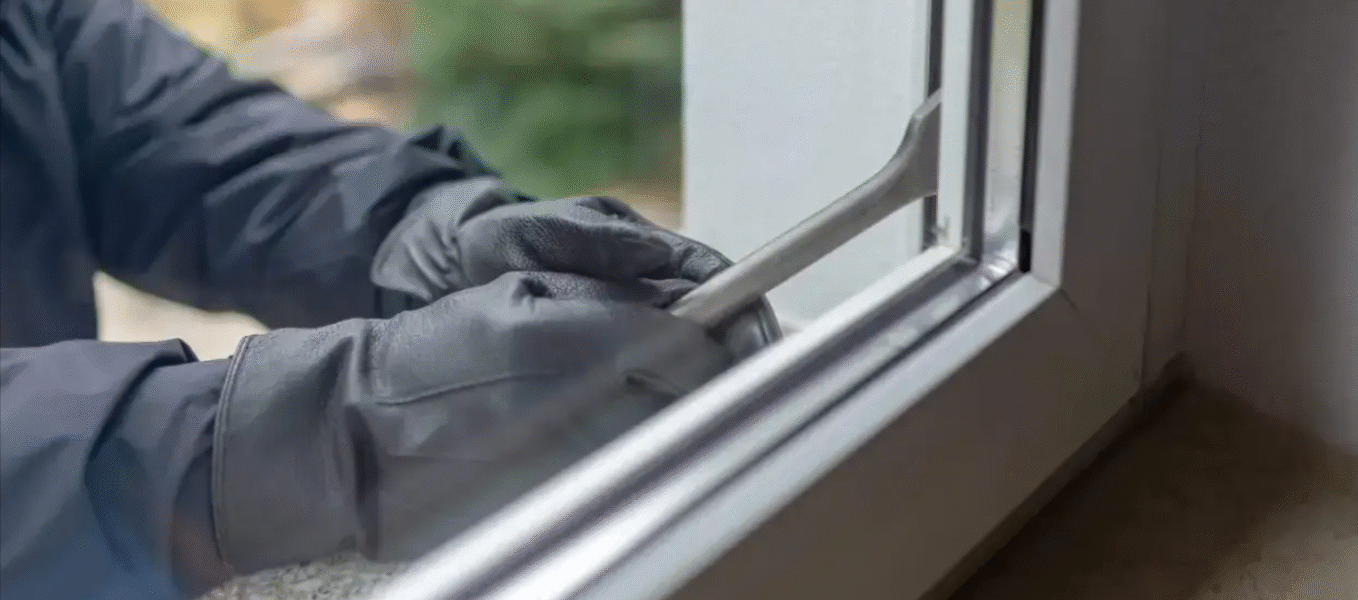

Often, when people think about protecting their homes, their minds go straight to alarm systems, cameras or big fences. But have you ever thought about the glass in your windows and doors? For most people, glass is an afterthought. You install the regular kind because that’s what’s standard, and you assume it’ll be fine. Unfortunately, burglars don’t always need to pick locks or bypass alarms. They often just smash the weakest point: your windows.
Security glass was created to fill this gap. The challenge is, once you realize you need tougher glass, the choices can feel overwhelming. Laminated, tempered, polycarbonate layers, or bullet-resistant options. Which one do you choose? This article will help you figure out the right security glass for your home.
Think About What You’re Protecting Against
“Security” means different things depending on your situation. Are you worried about a thief trying to smash through a back door? Or is your concern more about storms and flying debris? Maybe you live in a neighborhood where break-ins are common, or maybe it’s just peace of mind you’re after. The type of security glass you choose should match the threat you’re preparing for.
For example, laminated glass is a popular pick because even if someone breaks it, it doesn’t shatter into pieces. It stays stuck to its plastic interlayer, making it harder for an intruder to break through. It is perfect for deterring quick smash-and-grab attempts. On the other hand, tempered glass is stronger than regular glass, but when it does break, it shatters into small pebbly pieces. That can be safer from an injury perspective but isn’t as effective in slowing down an intruder.
It helps to actually list your main concerns. Is burglary your top worry? Go with something that resists forced entry, like laminated or multi-layered glass. Live in a hurricane-prone area? Then impact-resistant glass might be worth the investment. Knowing your “why” makes the “what” much clearer. Otherwise, you’ll just be choosing blindly.
Balance Strength with Practicality
Okay, let’s say you’ve figured out your main concerns. The next hurdle is balancing strength with how practical the glass will be in your everyday life. Some of the strongest types, like polycarbonate or bullet-resistant glass, are incredibly effective, but they’re also heavy, expensive, and may be excessive for a family home. Sure, they’re impressive, but do you really need bank-level protection for your sliding patio doors? Probably not. What you need is glass that can take a hit, deter break-ins, and still let in natural light without making your windows look like prison walls.
That’s why many homeowners land on laminated glass. It’s kind of the sweet spot. It offers serious resistance, but you can still customize it for clarity, thickness, or even tint if you want more privacy. You don’t have to compromise the aesthetics of your home just to feel safe.
Don’t Forget About Doors
When talking about windows, it’s easy to forget that your doors, especially sliding glass doors or French doors, are often the most vulnerable points in a home. Burglars know this. A solid deadbolt is great, but if the glass next to it is easy to smash, it defeats the whole purpose.
Security glass for doors needs to be strong but also functional. For example, laminated glass works well here because it can withstand multiple blows without giving way. Even if cracks form, the interlayer keeps it in place. And time, in these situations, is everything.
If you’re upgrading doors, think about the frame too. Strong glass won’t do much if it’s sitting in a flimsy frame that can be pried open. Reinforced frames and high-quality locks, combined with laminated or impact-resistant glass, can transform what’s often a weak spot in homes into one of the strongest barriers you’ve got.
The Bottom Line
Choosing the right security glass doesn’t have to be complicated, but it does require some thought. The right choice is the one that makes you feel safe. Security glass is an investment in peace of mind, and once it’s in place, you’ll wonder why you didn’t do it sooner. After all, your windows and doors are supposed to let the light in, not trouble.