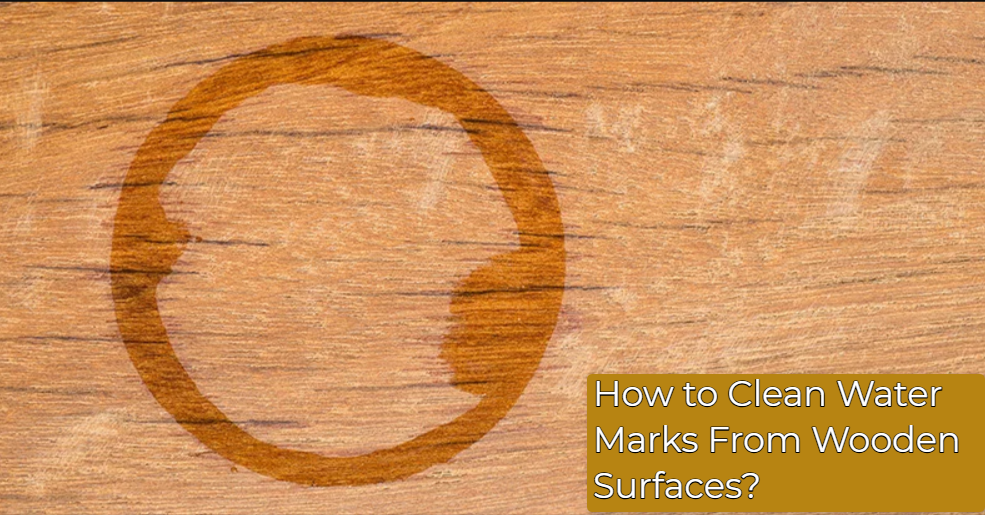

There’s nothing quite like the sinking feeling of spotting a white ring on your beautiful wooden table—courtesy of last night’s guest who thought coasters were optional.
Those ghostly marks seem to mock you every time you walk past, a permanent reminder of one careless moment.
But here’s the good news: most water marks aren’t as permanent as they look. With a few household items and a bit of patience, you can restore your wooden surfaces to their former glory.
So, if you’re tired of strategically placing magazines over those telltale rings, here’s how to tackle them properly.
Understand What You’re Dealing With
The first step to fixing this issue is knowing the different types of water marks there are. This’ll save you time and effort.
White or cloudy marks sit in the finish rather than the wood itself. These are the ones you can usually fix at home, as moisture in these cases has only penetrated the protective layer.
Dark stains, however, mean water has seeped into the wood. These are trickier and might need professional help, especially if they’ve been there a while.
The type of finish on your furniture matters, too. Lacquer, shellac, and polyurethane all react differently to treatments, so it’s worth checking what you’re working with before you start.
Gather Your Cleaning Arsenal
You won’t need anything fancy to tackle water marks. Most solutions are probably already in your kitchen cupboard.
Start with the basics: clean cloths, preferably microfibre, white vinegar, olive oil, and baking soda. A hair dryer and an iron can also work wonders for stubborn marks.
For tougher spots, you might want petroleum jelly, mayonnaise, or non-gel toothpaste. Each of these has properties that can lift moisture from wood finishes.
Many households have these simple ingredients on hand, making water mark removal accessible to anyone willing to give it a go.
Start With the Gentlest Method
Before you start panicking and calling in the furniture cavalry, try a simple DIY fix first.
Mix equal parts white vinegar and olive oil, then dip a soft cloth into the solution. Rub gently along the wood grain, applying light pressure.
The vinegar works to break down the water mark while the oil helps restore moisture to the finish. Give it a few minutes to work its magic, then wipe away any excess with a clean, dry cloth.
If the mark is faint, this method alone might do the trick. Let the surface dry completely before deciding whether you need to try something stronger.
Apply Heat for Stubborn Marks
When gentle cleaning doesn’t cut it, controlled heat can help draw moisture out of the finish.
Set your hair dryer to medium heat, hold it a few inches above the water mark, and move it constantly in a circular motion, never letting it sit in one spot for too long.
Make sure to check the mark every 20 to 30 seconds. You should see it gradually fade as the heat evaporates the trapped moisture. Stop as soon as the mark disappears to avoid damaging the finish.
Alternatively, place a clean, dry cloth over the mark and press with a warm iron for just a few seconds at a time. The cloth protects the wood while the heat removes the moisture.
Try the Mayonnaise Trick
It sounds bizarre, but mayonnaise can actually lift water marks from wood, and it’s a favourite remedy in many UK homes.
Here’s how to apply mayonnaise: apply a generous amount onto the affected area and let it sit overnight. The oils in the mayonnaise penetrate the finish and help displace the trapped moisture.
In the morning, wipe away the mayonnaise with a soft cloth and buff the area gently. You might be surprised at how well this old-fashioned method works.
If you’d rather not smear mayonnaise on your furniture, petroleum jelly works on the same principle. Apply it, leave it for a few hours, then wipe it clean.
Use Toothpaste for Light Marks
Non-gel toothpaste acts as a mild abrasive that can buff away surface water marks without damaging the finish.
Squeeze a small amount onto a soft cloth and rub it gently into the mark, always following the wood grain. Work in small sections with light pressure.
After a minute or two, wipe away the toothpaste with a damp cloth, then dry the area thoroughly. The mark should be noticeably lighter or gone entirely.
This method works best on newer finishes and lighter marks. Make sure not to press too hard, or you risk dulling the finish rather than restoring it.
Make a Baking Soda Paste
For marks that won’t budge, a baking soda paste offers slightly more abrasive power while still being gentle on wood.
Mix equal parts baking soda and water until you have a thick paste. Apply it to the water mark with a soft cloth, rubbing gently in the direction of the grain.
Don’t scrub and simply let the paste do the work. After a minute, wipe it away with a damp cloth and dry the surface completely.
This method is particularly effective on older wooden furniture that’s developed a tougher finish over the years.
Restore the Finish
If you’ve successfully removed the water mark, well done! But don’t go celebrating just yet, because you’re still one step away from restoring the wood’s protective layer and shine.
Apply a small amount of furniture polish or wood oil to a clean cloth and buff the entire surface. This evens out the finish and helps blend the treated area with the rest of the piece.
Work in circular motions, then finish by buffing along the grain. Your wooden surface should now look as good as new, with no telltale signs of where the mark once was.
Regular polishing also helps prevent future water marks by maintaining a strong protective barrier on the wood.
Keep Your Wooden Surfaces Spotless
If you fancy a truly clean slate—literally spotless wooden surfaces throughout your home—domestic cleaning services can handle this task for you.
Cleaning prices vary depending on the size of your home and the frequency of visits. However, investing money into the service is absolutely worth it. That’s because professional cleaners know exactly how to care for wooden furniture and can save you hours of scrubbing.
They’ll tackle not just water marks but every surface in your home, leaving your wooden pieces gleaming and well-maintained. Regular professional cleans can also help you stay on top of preventative care, so water marks never get a chance to form in the first place.
Conclusion
Who knew that the answer to those annoying white rings was hiding in your fridge all along? You’ve now got an entire toolkit of tricks ready to rescue your wooden furniture from water mark disasters.
Your beautiful wooden surfaces have earned their second chance, and you’ve earned the right to feel proud when guests marvel at your spotless tables. Just remember to keep those coasters handy, because prevention beats even the cleverest cleaning hack.
Now go forth and banish those water marks with confidence!