
Key Takeaways
Unattended death cleanup entails a complex process that demands trained professionals to safely and sensitively handle the scene, starting with a comprehensive assessment to pinpoint biohazards and health risks.
The cleanup involves crucial steps, such as ensuring safety through personal protective equipment (PPE), setting up containment zones, removing biodegradable materials, sanitizing surfaces, deodorizing spaces, and restoring the environment.
Time is of the essence in unattended death cleanup; as time passes, contamination levels can increase, making swift action essential for health and psychological comfort.
Unattended death sites present serious health hazards due to biohazards like blood and body fluids, which can contain pathogens and contribute to environmental degradation. This highlights the importance of professional cleanup services.
There are legal and health issues connected to unattended death scenes; professionals guarantee compliance with regulations while reducing potential liabilities for property owners.
The cleanup timeline can vary significantly—from just a few hours to several days—based on the scene’s condition, the extent of contamination, and the restoration efforts required.
Clients should ask about certifications, experience, and pricing when selecting a cleanup service, ensuring they find a reliable and capable provider for these delicate situations.
Understanding the Unattended Death Scene Cleanup Process
Key Steps Professionals Follow for Effective Cleanup
Engaging in unattended death cleanup is an intricate process that necessitates not only expertise but also a deep understanding of the psychological and environmental ramifications. Professionals trained in this area manage cleanup while navigating sensitive scenarios with care. The process usually kicks off with an in-depth assessment of the scene. Experts arrive, ready to evaluate the conditions, identifying biohazardous materials, structural damage, and any potential risks to health.
The cleanup typically comprises several key steps:
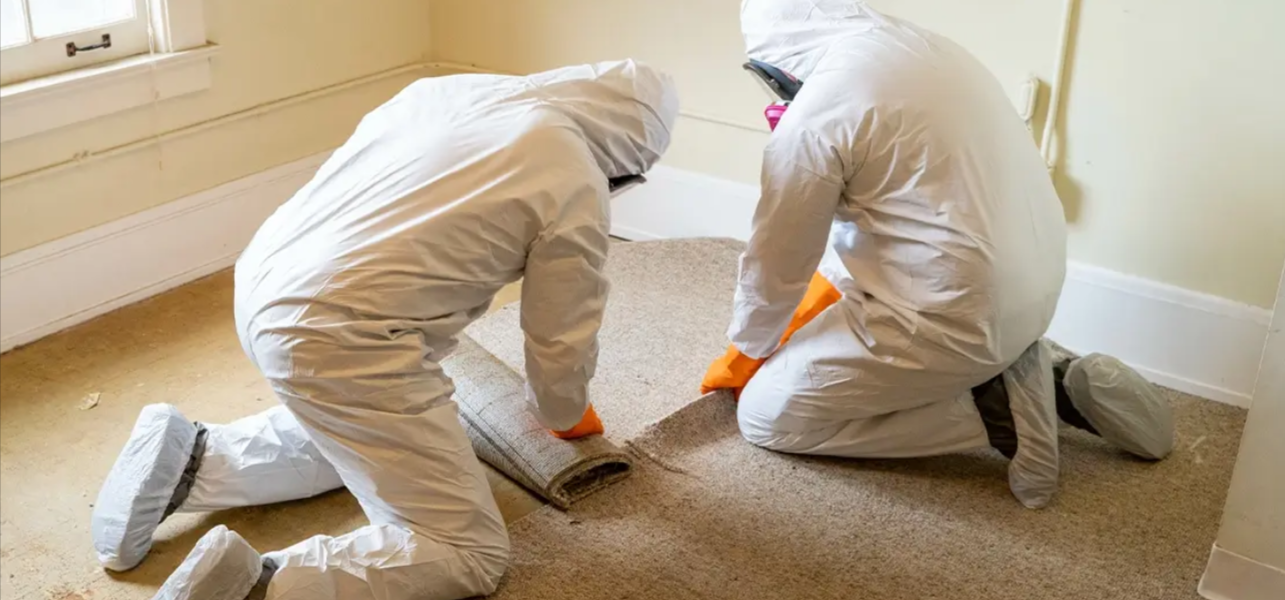
- Safety Protocols: The use of Personal Protective Equipment (PPE) is crucial. Cleanup professionals should don gloves, masks, and suits to shield themselves from pathogens.
- Containment: It’s vital to establish a containment zone. This area prevents cross-contamination and protects the surrounding environment.
- Removal of Biodegradable Material: Organic substances must be removed first. This includes tissues and any associated fluids.
- Sanitization: After removal, surfaces are cleaned and disinfected with industrial-grade cleaners, which is essential for eliminating any remaining biological hazards.
- Deodorization: Odor removal is crucial. Professionals utilize safe products that neutralize and absorb persistent smells.
- Restoration: The final act involves reinstating the integrity of the area, which might necessitate repairs, painting, or replacements.
Each of these steps is indispensable. Neglecting even one could render the space unsafe or unusable.
How Time Influences Cleanup Strategies and Safety
Time significantly affects unattended death cleanup. The image of the scene can deteriorate quickly, especially if considerable time has elapsed since the death. Decaying organic matter can create a breeding ground for bacteria, mold, and insects. Thus, prompt cleanup is crucial not just for health but also for psychological reasons.
Moreover, strategies must adapt as time progresses. Often, professionals find that:
- Initial assessments can be more difficult in older scenes due to advanced decomposition.
- Specialized equipment may become necessary for biohazard removal as time allows for more widespread contamination.
- Psychological factors can escalate over time, particularly for family members involved in the cleanup, who might need emotional support.
Speed is key. The quicker professionals act, the more streamlined the entire operation can be. Taking prompt action reduces health risks while also facilitating restoration efforts.
Why Professional Assistance is Essential in These Situations
The Dangers of Unattended Deaths and Biohazards
Unattended deaths present significant dangers. The presence of biohazards like blood, body fluids, and decaying tissue isn’t just unpleasant; it can be lethal. Such materials may host harmful pathogens, posing risks to both cleanup crews and the surrounding community.
Consider the potential issues:
- Pathogen Transmission: Infectious diseases, including Hepatitis B or C and HIV, can linger outside the body for varying durations.
- Environmental Damage: Fluids can permeate floors, carpets, and drywall, resulting in long-lasting damage.
- Emotional Toll: The psychological burden faced by family members discovering a loved one in such circumstances can be overwhelming.
Experts emphasize that hiring professionals isn’t optional; it’s a necessity. Attempting cleanup without proper training can incur severe mental and physical repercussions. This process calls for a nuanced approach—both for health and emotional stability.
Legal and Health Considerations When Facing Cleanup
Unattended death scenes often carry legal ramifications. Such events usually require thorough documentation for law enforcement. Families may not realize that tampering with a scene could complicate investigations. Professionals are adept at navigating these situations, ensuring compliance with local regulations.
Health regulations add another layer of complexity. Property owners risk liabilities if they fail to conduct the cleanup properly. This could lead to fines or other legal repercussions. Therefore, it’s vital to engage a licensed cleanup agency.
“Ignoring the cleanup can have consequences far beyond just cleanup costs.”
Consulting experts enable families to have peace of mind, knowing every requirement is being thoroughly addressed.
What to Expect During an Unattended Death Cleanup Service
Typical Timeline for Cleanup and Restoration
The timeline for unattended death cleanup can vary dramatically based on the condition of the scene. Generally, cleanup may take anywhere from a few hours to several days. Factors like the extent of contamination, structural damage, and required restoration influences this timeline.
A typical timeline looks like this:
- Initial Assessment: 1-2 hours for professionals to conduct a thorough evaluation of the site.
- Cleanup Phase: This may last between 2 to 24 hours, depending on how complex the scene is.
- Restoration Work: Might take additional days, particularly if substantial repairs are necessary.
Clients often appreciate the fact that cleanup teams strive to work as efficiently as possible. However, speed doesn’t equate to a lack of thoroughness; professionals balance quick action with careful attention.
How Cleanup Teams Ensure Privacy and Discretion
Privacy is paramount in these delicate situations. Cleanup teams recognize the emotional stress faced by families, often taking considerable measures to reduce the impact of their work on the community.
Here are a few ways experts maintain discretion:
- Use of Unmarked Vehicles: Many companies utilize unmarked vans to avoid drawing unwanted attention.
- Limited Staff Presence: Teams typically consist of only as many members as necessary, helping to keep the scene less noticeable.
- Discreet Uniforms: Professionals often wear plain clothing, eschewing uniforms that might attract attention.
This meticulous approach enables families to concentrate on healing instead of worrying about public scrutiny. Clients often find solace in knowing that their emotional well-being is prioritized throughout the process.
Finding the Right Cleanup Service: Key Questions to Ask
Identifying Certifications and Experience of Cleanup Providers
Selecting the right cleanup service is critical. A poor choice can complicate an already sensitive situation. When assessing potential providers, clients should raise several important questions. First, knowing about certifications is crucial—those in the cleaning industry need to meet specific safety and training standards. Additionally, understanding their experience level is vital.
Professionals recommend considering the following questions:
- What certifications do your technicians possess?
- How long have you been in business?
- Can you provide references from previous clients?
Reputable services should have no trouble answering these inquiries or providing documentation to back up their claims.
Understanding Pricing Structures for Biohazard Cleanup
People naturally want clarity regarding costs, but pricing can fluctuate widely based on job-specific variables. Understanding how rates are set is essential for informed decision-making.
Pricing is influenced by various factors, including:
- Size of the area requiring cleanup.
- Extent of the contamination.
- Type of cleaners and equipment utilized.
“Investing in professional cleanup is often less costly than the potential health risks of neglecting it.”
Receiving a clear estimate prior to the start of work is crucial. Trustworthy services provide transparent pricing devoid of hidden fees, ensuring families encounter fewer surprises during this challenging time.
Ultimately, engaging experts for unattended death cleanup is a pivotal step in restoring a sense of safety and normalcy following a traumatic event. With their expertise, compassion, and respect, cleanup teams guarantee that affected spaces return to their original condition, allowing families to focus on healing instead of the overwhelming implications of cleanup.
FAQ
What type of training do cleanup professionals undergo?
Typically, cleanup professionals receive extensive training that covers biohazard handling, trauma scene management, and certification in safety protocols. This prepares them to face the physical and emotional challenges typical of such sensitive situations.
How can families prepare the area before cleanup teams arrive?
Families often find it helpful to clear personal items from the vicinity to facilitate an efficient cleanup process. However, experts suggest waiting for professionals to assess the scene before taking any actions that could interfere with evidence or complicate the cleanup.
Are there any follow-up services provided after cleanup?
Many cleanup services offer follow-up assistance, which might include advice on coping with lingering emotional stress or support for ongoing restoration needs. This extra layer of care can greatly aid families during a challenging transition.
What types of insurance might cover unattended death cleanup?
Homeowners’ insurance policies may sometimes cover cleanup expenses, but the details can vary significantly. Clients should reach out to their insurance providers to clarify eligibility for incident-specific costs associated with such cleanups.
How do cleanup teams handle delicate personal items found on-site?
Cleanup professionals handle personal items with the utmost respect. They typically conduct a careful assessment and often set aside anything sentimental or valuable for family members to retrieve once the scene is secure.
Is emotional support offered to families during the cleanup process?
While professional cleanup teams primarily focus on the physical aspects, many understand the emotional toll such situations entail. They may recommend counseling resources or support systems, recognizing the burden faced by family members.
What safety measures are in place to protect cleanup workers?
Cleanup teams adhere to strict safety protocols, which include wearing specialized PPE and utilizing advanced equipment to minimize exposure to biohazardous materials. Every measure is implemented to safeguard workers’ health during cleanup operations.
Can cleanup services assist in the case of a sudden death, without prior arrangements?
Absolutely. Most professional cleanup services are ready to respond promptly, even during unplanned emergencies. Their accessibility is essential for addressing situations swiftly and providing necessary support to grieving families.